Saint-Tropez is also — and above all — an exceptional natural environment. Far from the flashy image the media give it, the peninsula is home to some of the best-preserved natural spaces in the Mediterranean. Listed sites, marine reserves, pine forests and wild coastlines that only a boat allows you to truly discover.
Here is our guide to the preserved places around Saint-Tropez, to explore by boat from Pampelonne.
Cap Taillat — the end of the Var world
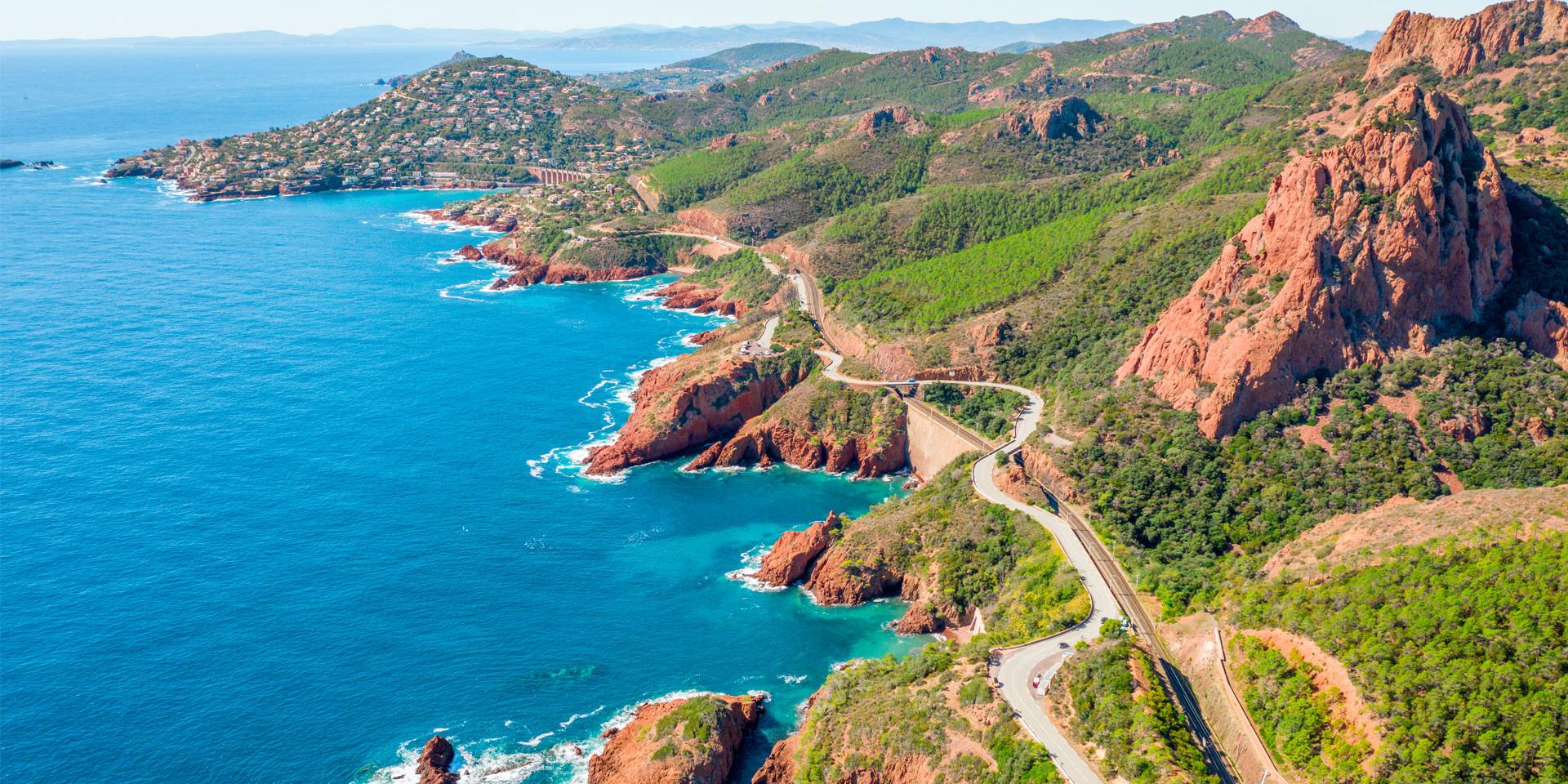
Cap Taillat is without doubt the most preserved place on the Saint-Tropez peninsula. This wild tombolo — a strip of land connecting the headland to the mainland at low tide — is entirely protected. No construction, no road, no motorised access by land. Only a boat allows easy access.
The site is listed as a sensitive natural area of the Var. The vegetation is endemic, birds are plentiful, and the seabed is remarkably rich in biodiversity. It is one of the rare places on the Riviera where nature has not yielded a single centimetre to development.
"Every time I arrive at Cap Taillat by boat, I feel as though time has stood still. This is the Saint-Tropez of before."
The Giens peninsula nature reserve
Further west, the Giens peninsula and its double tombolo form a geologically unique site in mainland France. The waters surrounding it are protected and are among the clearest on the Var coast.
By boat, you can follow the southern coast of the peninsula and discover seabed of exceptional richness: extensive posidonia meadows, grouper, starfish, sea urchins. An ideal site for snorkeling in water of crystal clarity.
Domaine de la Croix — Cavalaire
Between Saint-Tropez and Cavalaire, the Domaine de la Croix is home to a forest of maritime pines and cork oaks descending to the sea. The coastline is preserved and little frequented, with coves accessible only by sea or via long hiking trails.
The waters in front of the Domaine de la Croix are particularly calm and sheltered from the northerly winds. An ideal anchorage for a swimming break in the middle of the day.
The Maures Forest — maritime side
The Maures massif, one of the oldest in France, extends to the coast over several kilometres. On the sea side, wooded cliffs plunge directly into the water, forming shaded coves of rare beauty.
Between Le Lavandou and Cavalaire, you find stretches of coast that are almost intact, protected from urbanisation by the relief and state forest ownership. By boat, you can explore this coast as the first navigators of the region did.
Posidonia meadows — an underwater treasure
Below the surface, the Gulf of Saint-Tropez is home to vast meadows of posidonia — a marine plant endemic to the Mediterranean, protected by law. These meadows are extraordinarily productive ecosystems: they shelter the juvenile fauna of many fish species, oxygenate the water and stabilise the seabed.
During your boat trips, absolutely respect these meadows: anchor only on sand, never on posidonia. Lucas will show you the appropriate anchoring zones to preserve this natural treasure.
Sailing in harmony with nature
The preserved places we recommend deserve to remain so. A few simple rules for sailing in harmony with the environment:
- Anchor only on sand — never on posidonia or coral
- Respect regulated anchoring zones (buoys in protected areas)
- Leave no rubbish at sea or on beaches
- Keep a reduced speed near coasts (8 knots within 300m)
- Observe marine wildlife without disturbing it — no chasing dolphins
- Avoid excessive noise in natural quiet zones
🌿 Explore preserved nature
Lucas will guide you to the most preserved places in the gulf, respecting the marine environment. A boat from Pampelonne.